Signs You Have a Wasp, Hornet, or Yellow Jacket Problem
If you notice signs you have a wasp, hornet, or yellow jacket problem, local contractors can provide effective treatment to eliminate nests and ensure safety.
If you’ve noticed buzzing sounds near your property or seen small, aggressive insects hovering around outdoor areas, you might be dealing with a wasp, hornet, or yellow jacket problem. These insects are more than just a nuisance; they can pose safety concerns, especially if their nests are close to walkways, decks, or entry points. Recognizing early signs of an infestation can help property owners take timely action to prevent potential stings or larger nests from forming. Local service providers specializing in pest management can assess the situation and recommend effective treatment options to keep your outdoor spaces safe and comfortable.
Understanding the signs of a wasp, hornet, or yellow jacket issue is essential for maintaining a pest-free property. Common indicators include increased insect activity around eaves, soffits, or shrubs, as well as visible nests that may resemble papery or balloon-like structures. If you suspect a problem, connecting with experienced contractors who offer targeted treatment services can help eliminate the threat and prevent future issues. Staying vigilant and addressing these signs early can make a significant difference in managing these insects safely and effectively.
- Wasp, Hornet, or Yellow Jacket Treatment - needed when visible nests are found on or near the property, and local contractors can safely remove or treat the nests to prevent further activity.
- Wasp, Hornet, or Yellow Jacket Treatment - required if you notice increased stinging insect activity around your home, prompting local service providers to evaluate and address the problem.
- Wasp, Hornet, or Yellow Jacket Treatment - necessary when you experience frequent sightings of wasps or hornets, and local pros can identify entry points and apply targeted treatments.
- Wasp, Hornet, or Yellow Jacket Treatment - appropriate if you suspect an underground nest, with local contractors equipped to locate and safely eliminate hidden colonies.
- Wasp, Hornet, or Yellow Jacket Treatment - advised when stings occur unexpectedly, and local service providers can assess the situation and recommend effective removal methods.
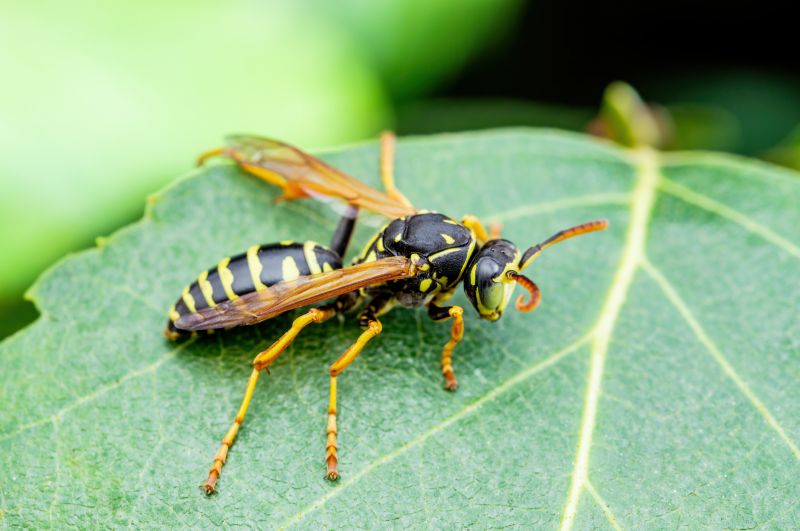
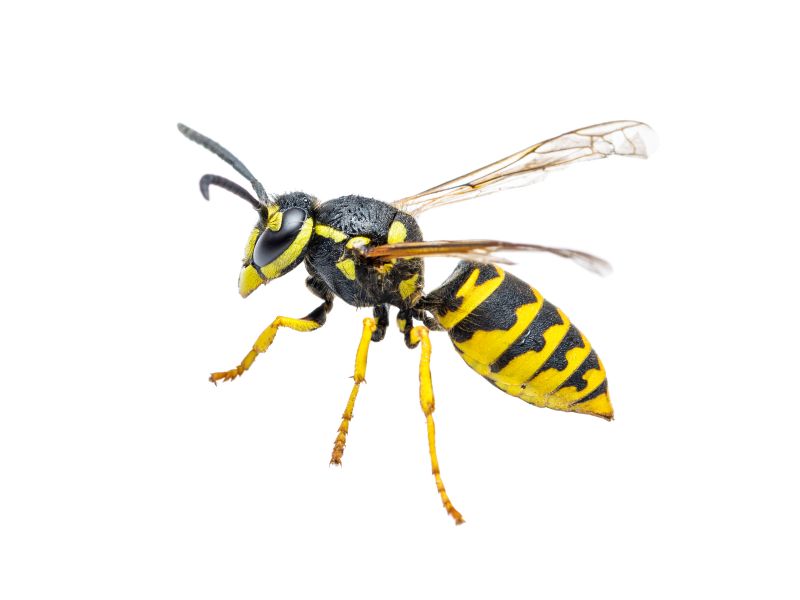
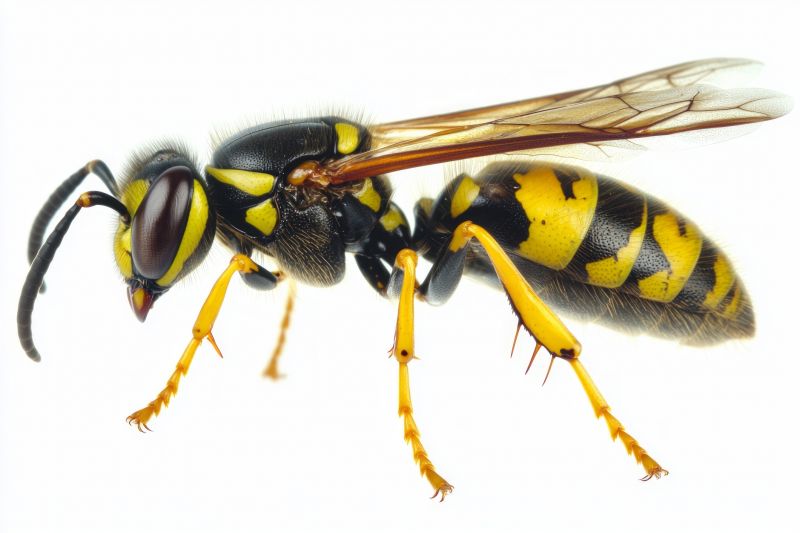
Understanding the signs you have a wasp, hornet, or yellow jacket problem is essential for homeowners who want to address potential pest issues early. These insects tend to build nests in or around residential properties, often in hidden or less obvious locations. When searching for this topic, people are usually concerned about identifying the presence of these insects before they become a threat. Recognizing the signs can help prevent stings, property damage, or larger infestations that are more difficult to manage later on. Being aware of common indicators allows homeowners to take timely action and connect with local service providers who specialize in wasp, hornet, or yellow jacket removal.
The problems associated with these stinging insects often relate to safety and property protection. Wasp, hornet, and yellow jacket nests can pose a risk to anyone spending time outdoors, especially during late spring and summer when colonies are most active. These insects are territorial and may defend their nests aggressively if disturbed, increasing the potential for painful stings or allergic reactions. Additionally, their nests can sometimes be built in structural areas like eaves, soffits, or wall voids, which can lead to property damage or pest-related deterioration. For homeowners planning to remove or prevent these issues, understanding these problems helps in designing effective treatment plans with local contractors who can eliminate nests and reduce future risks.
Properties that commonly encounter wasp, hornet, or yellow jacket problems include residential homes, especially those with yards, decks, or gardens. Structures with overhanging branches, shrubs, or outdoor storage areas are frequent nesting sites. Attics, garages, and sheds can also become locations for nests if they provide sheltered, undisturbed spaces. Homes with fruit trees or flowering plants may attract these insects due to the availability of food sources. Recognizing the types of properties most affected helps homeowners determine when to seek professional assistance, as local service providers can assess the specific environment and implement targeted removal or prevention strategies to keep outdoor spaces safe and pest-free.
Identifying the signs of a wasp, hornet, or yellow jacket problem is a practical step in managing outdoor safety and property integrity. Common indicators include visible nests hanging from eaves, branches, or hidden in wall cavities, as well as increased activity around certain areas. You might notice swarms of insects near entry points or buzzing around outdoor gathering spots. Sometimes, the first sign is the presence of stinging insects repeatedly landing on or near a specific spot. Recognizing these signs early allows homeowners to connect with local contractors who have experience in safely removing nests and implementing preventative measures. Proper identification and timely action can help prevent the escalation of these problems into larger, more challenging infestations.
Pest inspection services - professionals who identify signs of wasp, hornet, or yellow jacket activity often perform detailed inspections to locate nests and entry points.
Wildlife removal projects - these involve safely removing stinging insects and their nests, requiring similar planning and tools used in wasp and hornet treatments.
Insect exclusion services - specialists who seal entry points to prevent insects from establishing nests, aligning with the preventative aspects of wasp, hornet, or yellow jacket control.
Yard and landscape pest control - treatments that target outdoor insect populations can relate to managing wasp and yellow jacket issues around property perimeters.
Structural repair and sealing - fixing entry points or damage caused by nesting activity involves planning and tools similar to those used in pest exclusion for stinging insects.
Seasonal pest prevention consulting - advising on proactive measures to prevent insect infestations shares skills with identifying early signs of wasp, hornet, or yellow jacket problems.
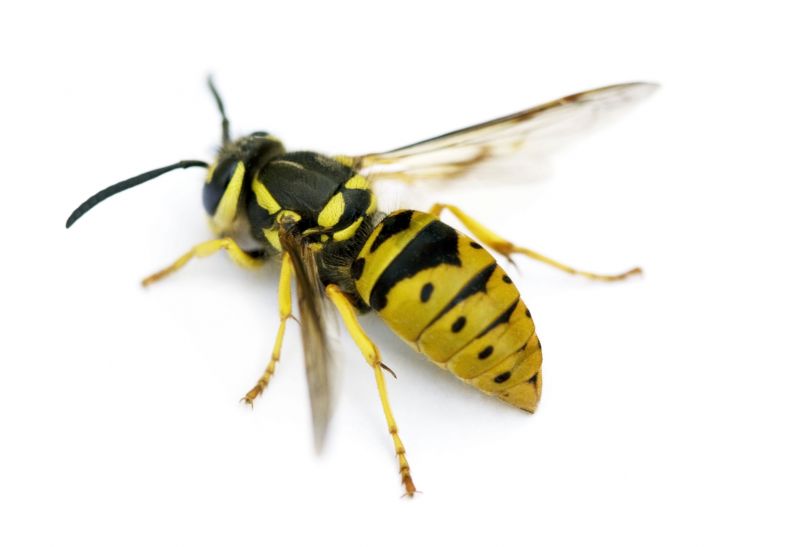
When evaluating local contractors for wasp, hornet, or yellow jacket treatment services, it’s important to consider their experience with similar projects. Homeowners should seek out service providers who have a history of successfully handling pest issues involving these insects, especially in residential settings. An experienced contractor will be familiar with the common signs of a nest, the typical behavior of these insects, and the most effective methods for removal and prevention. This background can help ensure that the treatment approach is appropriate for the specific situation, reducing the risk of incomplete removal or recurring issues.
Clear written expectations are essential when comparing local service providers. Homeowners should look for contractors who provide detailed descriptions of what the treatment will involve, including the scope of work, safety precautions, and any follow-up recommendations. Having these details in writing helps prevent misunderstandings and sets a transparent foundation for the project. It’s also beneficial to inquire about the contractor’s process for identifying nests and signs of infestations, ensuring they communicate what homeowners can expect during the service.
Good communication and reputable references are key indicators of a reliable contractor. Homeowners can ask for references or reviews from previous clients who had similar pest problems, which can provide insight into the contractor’s professionalism and effectiveness. A service provider who maintains open lines of communication, responds promptly to questions, and clearly explains options and procedures can help make the process smoother and more predictable. These qualities contribute to a positive experience when dealing with a potentially invasive pest issue and help ensure the chosen contractor is capable of addressing the problem thoroughly and responsibly.
Property owners often search for signs you have a wasp, hornet, or yellow jacket problem when they are planning practical projects around their homes and businesses. Local pros provide Wasp, Hornet, or Yellow Jacket Treatment services for everyday jobs and straightforward project options.
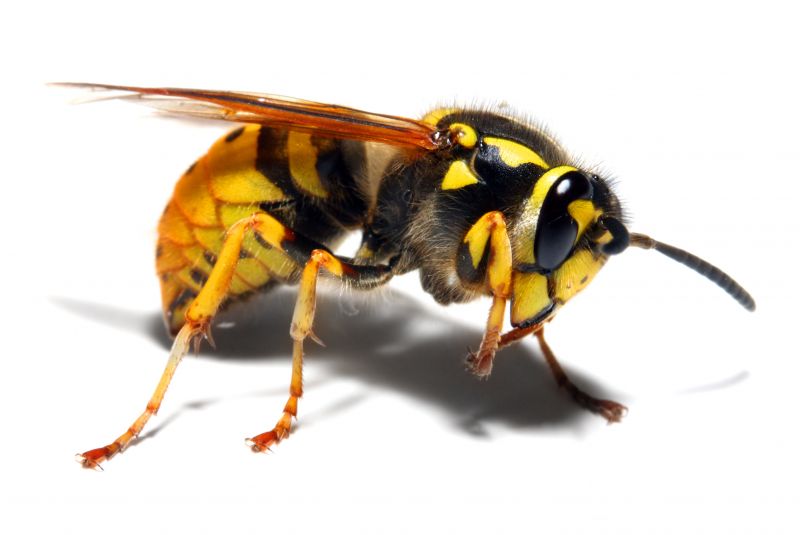
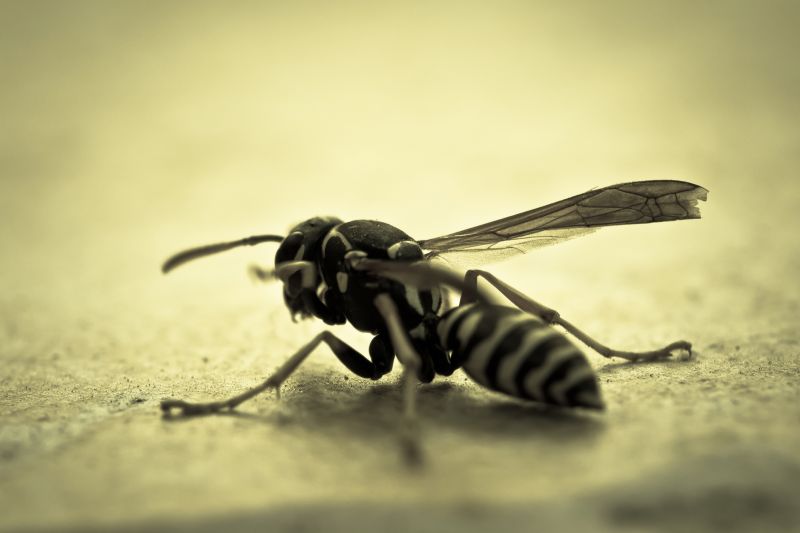
Identifying signs you have a wasp, hornet, or yellow jacket problem can often come down to noticing certain behaviors or physical indicators around your property. For instance, the presence of small, papery nests tucked under eaves, in shrubs, or on outdoor structures is a common sign. Additionally, seeing wasps or hornets repeatedly buzzing around specific areas, especially near food sources or trash cans, may suggest an active colony nearby. Property owners in the area might find themselves dealing with increased stinging insect activity during warmer months, prompting them to seek out local contractors who specialize in wasp, hornet, or yellow jacket treatment services.
Other telltale signs include hearing buzzing sounds coming from hidden spots or noticing nests that grow larger over time. If stinging insects start to become more aggressive when approaching outdoor spaces or if you notice an uptick in stings, it’s a clear indication of a potential problem. These issues can make outdoor activities uncomfortable or unsafe, leading property owners to consider professional treatment options. Local service providers experienced in managing wasp, hornet, or yellow jacket infestations can assess the situation and implement effective removal and control measures to help keep outdoor areas safe and insect-free.
What are common signs of a wasp, hornet, or yellow jacket problem? Visible nests or swarm activity around your property are key indicators of a wasp, hornet, or yellow jacket infestation. You may also notice increased insect activity near eaves, shrubs, or outdoor structures. Unexplained stings or bites could also signal their presence. Local contractors can assess these signs and recommend treatment options.
How can I tell if I have a wasp, hornet, or yellow jacket nest nearby? Signs include seeing large, papery nests hanging from trees, eaves, or under decks. You might also observe frequent flying insects around specific areas, especially during late summer and early fall. A professional can locate and safely remove or treat the nest if needed.
Are there specific times when wasp, hornet, or yellow jacket activity increases? Yes, their activity tends to peak late summer through early fall when colonies are at their largest. During this period, increased flying insects and nest expansion are common signs that treatment may be necessary. Local service providers can help address these seasonal concerns.
What risks are associated with ignoring a wasp, hornet, or yellow jacket problem? Ignoring these pests can lead to increased stinging incidents, especially if nests are disturbed. Large colonies can pose safety risks to people and pets. Professional treatment can help eliminate the problem safely and effectively.
How do local contractors typically handle wasp, hornet, or yellow jacket infestations? They usually conduct a thorough inspection to identify nests and signs of activity, then use targeted treatments to remove or eliminate the pests. Many offer ongoing prevention advice to keep these insects from returning.
Identifying nests around the property - spotting wasp, hornet, or yellow jacket nests can help determine if treatment services are needed from local contractors.
Noticing increased insect activity - frequent sightings or swarms near entry points may indicate an active hive requiring professional removal.
Experiencing painful stings or allergic reactions - sudden stings or allergic responses can signal a nearby colony that local pros can safely eliminate.
Observing damaged or chewed outdoor structures - signs of nest-building or damage to eaves, soffits, or sheds suggest professional intervention might be necessary.
If you are thinking about signs you have a wasp, hornet, or yellow jacket problem for a property, this guide is meant to help you understand this topic, the typical project types, and how different options might fit your plans.
When you are ready, you can use the quote form on this page to share a few details about your project. From there, local pros can review the basics and follow up with options that match what you have in mind.